
What Is Frame By Frame 2D Animation?
Frame by frame animation is a traditional animation technique where each frame is drawn individually, either by hand or digitally, to create the illusion of movement. When played back in sequence at a certain speed (typically 12 or 24 frames per second), these individual images give the appearance of continuous motion.
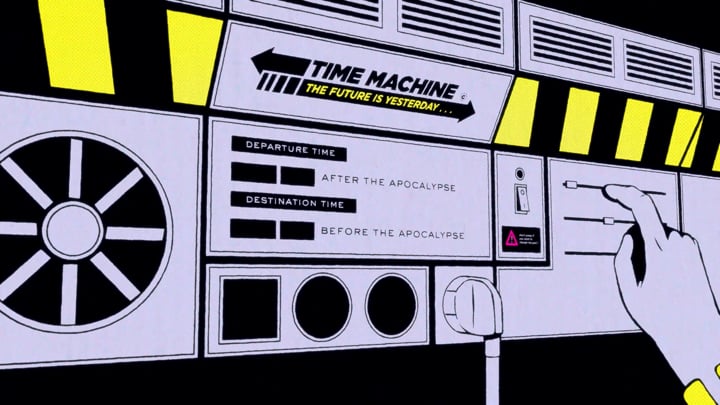
It’s a labor-intensive process as each change in movement or expression requires a new drawing, but it allows for a great deal of fluidity and creativity in the resulting animation. Frame by frame animation is known by several terms, each reflecting a certain aspect of this technique:
-Traditional Animation: This term alludes to the classical method of animation, especially when it was done on paper before the advent of digital tools.
-Cel Animation: Historically, animations were drawn or painted on transparent sheets known as “cels” before being photographed frame by frame. This term is a nod to that process.
-Hand-drawn Animation: This emphasizes the manual aspect of the technique, where each frame is crafted by hand, as opposed to computer-generated methods.
-Rotoscope Animation: Rotoscope animation is a type of 2D animation where animators trace over live action footage frame-by-frame. This not only saves a significant amount of time when animating by-hand, but also results in a more realistic sense of movement in the finished product.
Crafting Authenticity in Frame by Frame Animation
Producing quality frame by frame animation requires an understanding the physics and nuances of real-life motions. By observing and comprehending movements in the real world, your animations will appear more believable. As with any skill, practice is essential, beginning with basic animations and progressively transitioning to intricate projects will enhance your expertise.
Maintaining a consistent style throughout your animation is also crucial as it augments the viewer’s experience and imparts a cohesive feel to the animation. It’s crucial to remember that while frame by frame animation is labor-intensive, the end product can be immensely satisfying. By infusing your distinct touch into every frame, you can craft animations that are vibrant and brimming with personality.
Perhaps the greatest advantage of frame by frame animation lies in its inherent ability to capture unique, organic movements and emotions that might be hard to achieve with other animation methods. Here are some of the benefits:
Each frame is meticulously crafted, allowing animators to infuse every moment with individual artistic expression, resulting in animations teeming with life and nuance. This level of detail provides animators with unparalleled artistic freedom, enabling them to bring forth even the subtlest of character expressions or the most fluid of movements.
Moreover, frame by frame animation isn’t restricted by predefined rigs or models. Where skeletal or rig-based animations might have mechanical constraints, frame by frame animation offers limitless potential. If it can be envisioned and drawn, it can be animated. This absence of constraints means that the animator’s imagination is the only limit.
However, the charm of this approach isn’t solely based on its technical merits. The inherent imperfections in hand-drawn animations give them a unique, organic feel that many viewers find endearing. There’s a warmth and soul to frame by frame animations, often stemming from the personal touch of the animator. This blend of artistic freedom, fluidity, and organic charm makes frame by frame animation a cherished art form, despite its labor-intensive nature.
Unparalleled Artistic Freedom in Frame by Frame Animation
Character Design in Frame-by-Frame Animation

Integrating character design into frame-by-frame animation is a meticulous yet rewarding process that brings characters to life through a sequence of individual drawings. To begin, it’s crucial to have a well-defined character concept that aligns with the narrative or purpose of your animation. This concept should clearly express the character’s personality, role, and distinctive features, ensuring visual consistency and emotional impact throughout the film, as seen in our Aperol Spritz 2D video, where bold, expressive character design was central to the animation’s rhythm and charm.
The animation process starts with sketching the character in various key poses and expressions. These sketches serve as the foundation for your frame-by-frame animation. Attention to detail is paramount as each frame contributes to the character’s movement and overall portrayal.
Animating frame by frame involves crafting a series of drawings that depict the character’s motion fluently. Careful consideration of timing, spacing, and the character’s physical attributes ensures that the animation feels natural and convincing. The character’s expressions and body language should align with their emotions and actions in the storyline.
As you progress through the animation, be sure to refine the character’s movements and fine-tune their expressions to maintain consistency and coherence. Character design plays a pivotal role in this process as it influences how the character conveys emotions and engages with the audience. Ultimately, successful frame-by-frame animation with well-designed characters requires patience, attention to detail, and a deep understanding of the character’s role in the narrative. The effort is worth it, though, as it results in a compelling and visually engaging animation.
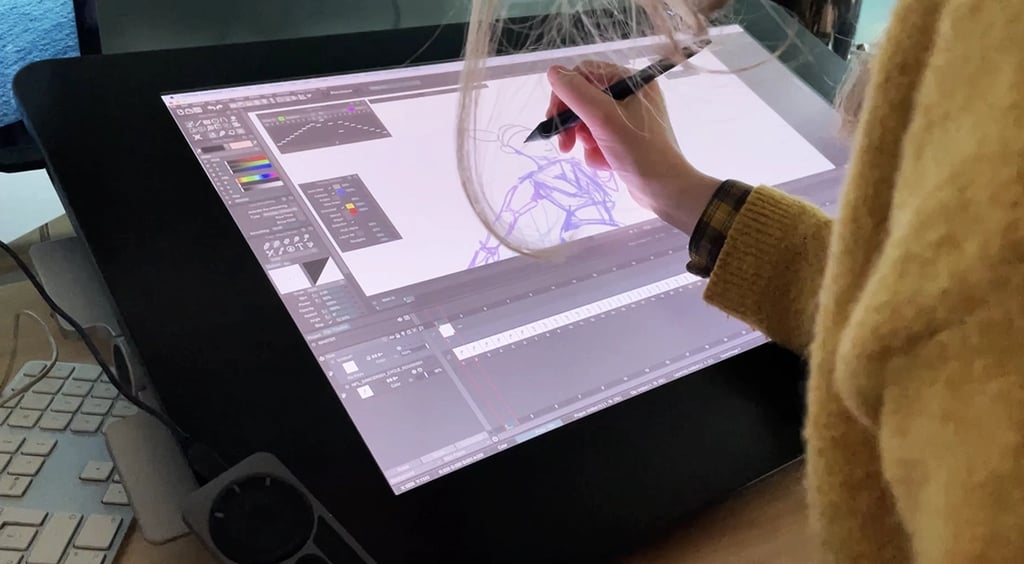
Our Criteria for Mastery in Frame-by-Frame Animation at FEVR
At FEVR, we assess and produce frame-by-frame animation using a set of standards forged through real-world experience on high-stakes, brand-driven productions. These criteria are not abstract principles; they are the benchmarks we apply to our own work and to every animation we deliver to our clients.
The first and most immediate marker of quality is fluidity of motion. Well-crafted animation feels natural and intentional, with consistent character design, proportions, and environments throughout. Any unintended inconsistency breaks immersion and weakens the message. For us, precision at this level is foundational.
Equally essential is timing and pacing. Frame-by-frame animation offers unmatched expressive freedom, but that freedom only works when guided by a controlled rhythm. The way movement accelerates, pauses, or breathes directly shapes emotional impact and narrative clarity. This is where animation stops being decorative and starts becoming communicative.
Beyond motion mechanics, we place strong emphasis on expressiveness and visual intent. Style, color palette, line quality, lighting, and shadow are never treated as surface aesthetics; they establish tone, reinforce meaning, and ensure memorability. Every visual decision must serve the story and the brand’s positioning.
No matter how refined the visuals, storytelling remains central. A successful animation aligns narrative, imagery, and sound into a coherent experience. Sound design, voice, and music must be precisely synchronized to support the message.
Finally, we value originality with purpose. Innovation in concept, technique, or perspective can elevate a film from strong to exceptional, but only if it resonates with its intended audience. At FEVR, the ultimate measure of success is whether an animation connects emotionally, communicates clearly, and fulfills its strategic objective.
Digital Tablets Revolution: The Wacom Cintiq 27 Experience
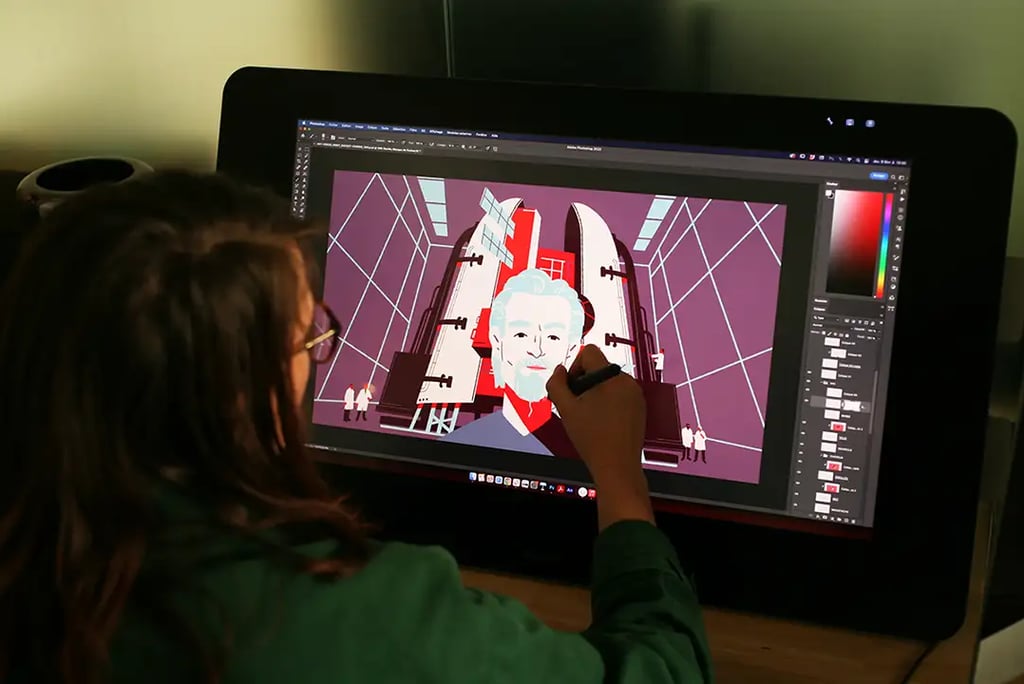
Digital tablets, especially high-end models like the Wacom Cintiq Pro 27, have transformed the landscape of digital art and hand drawn animation. The Cintiq series offers a direct drawing experience with its built-in display, allowing artists to draw directly on a screen that closely mimics the feel of drawing on paper.
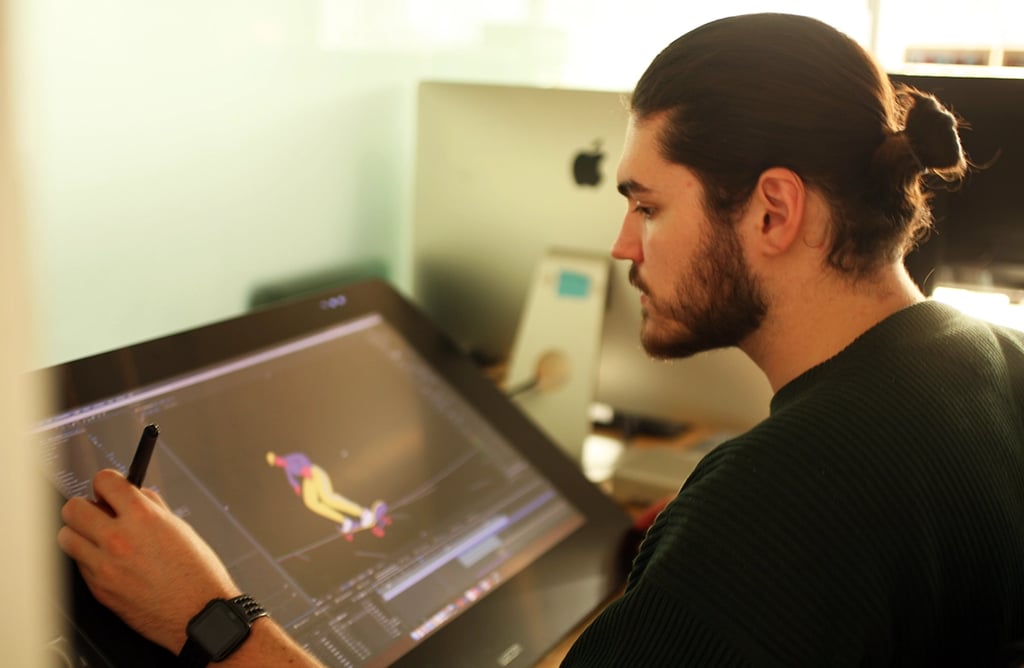
These tablets don’t just stop at providing an intuitive drawing experience. They are equipped with features designed to enhance workflow efficiency, shortcuts for frequent actions, and multi-touch capability enables easy navigation with touch gestures to zoom, rotate, and move across the canvas. Beyond the hardware, one of the significant advantages of digital tablets is their software compatibility with Animate & TV Paint, the softwares we use. . This compatibility streamlines the artistic process, allowing for easy corrections, layer manipulations, and a wide range of tools accessible at the click of a button.
The digital nature of these tablets also promotes an environmentally friendly approach, reducing the dependency on physical materials and paper. For many modern artists, illustrators, and animators, devices like the Cintiq 27 have become indispensable tools, bridging the gap between traditional artistry and the digital age.
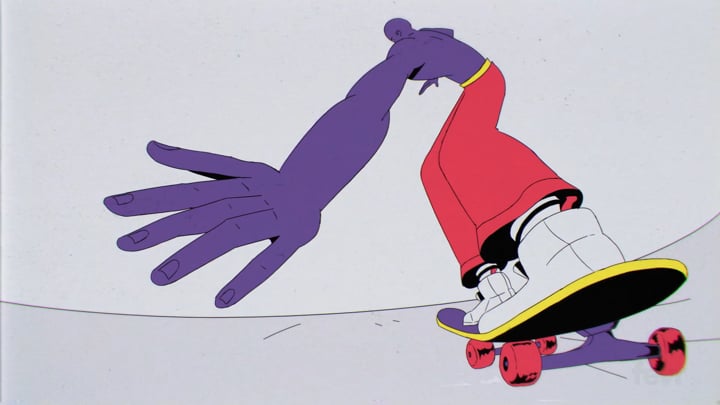
To see more examples of 2D animations using the frame by frame technique, you can check out Skate Inc, Aperol Spritz, NFL Superbowl, Tracy Manifesto, Reach The Goal, The Last Shot, Doodles, The Apocalypse
Share a few details about your project.
We’ll take it from there.
Let’s talk?


325 Hudson St 4th Floor
New York, NY 10013
+1-212-710-5905
© - FEVR | Motion Graphics & Animation Video Production. All rights reserved - 2026
NEW YORK
1541 Ocean Avenue
Santa Monica CA 90401
LOS ANGELES
hello@wearefevr.com


